
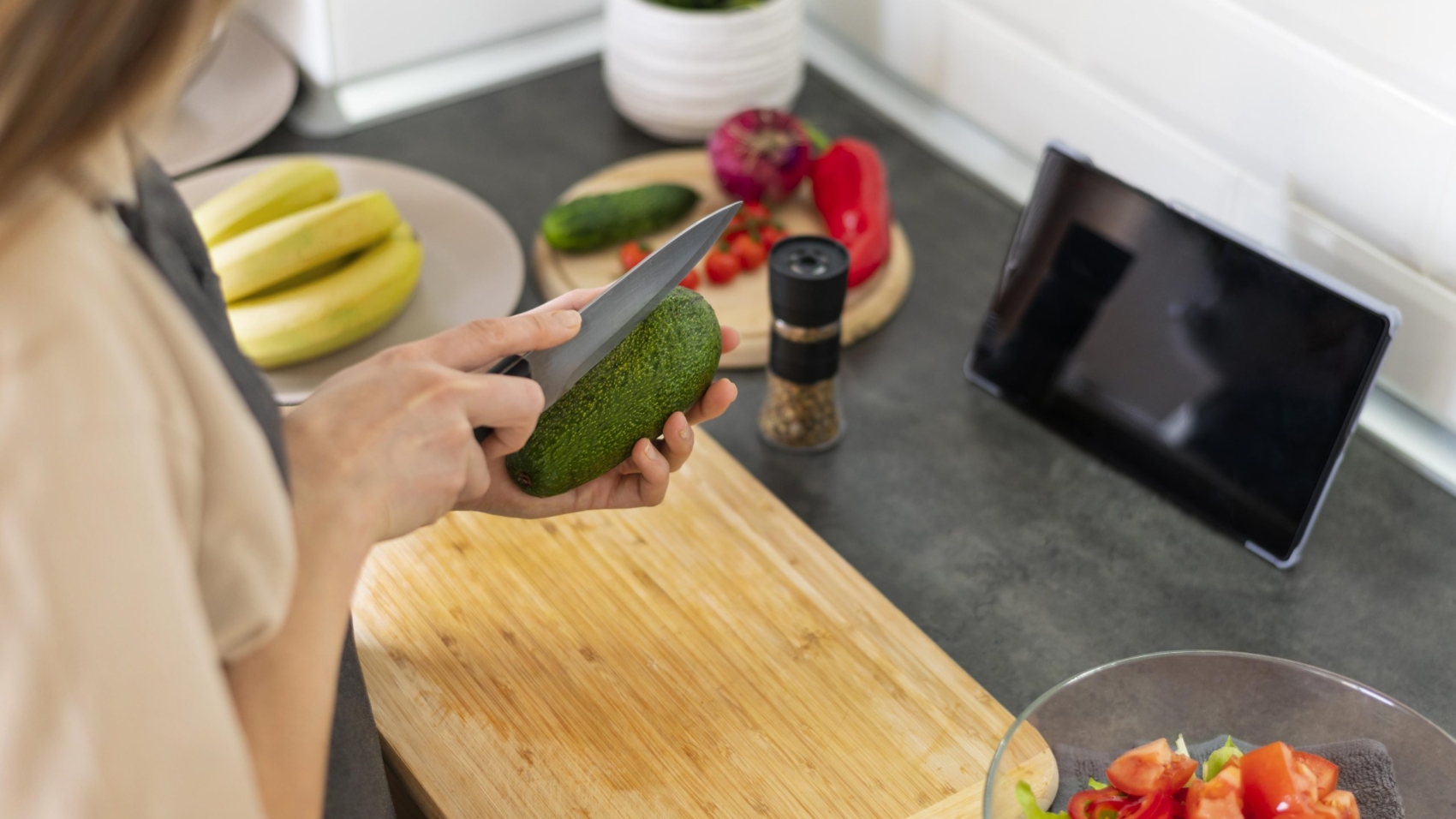
An enjoyable cooking routine is often determined before the stove is switched on. A well-organized kitchen makes it easier to find ingredients, prepare meals efficiently, and avoid unnecessary waste.
Kitchen organization does not require expensive equipment or a complete renovation. A few practical habits can make a noticeable difference.
Create Zones for Different Activities
Think of the kitchen as a collection of working areas.
Preparation zone: Keep cutting boards, knives, mixing bowls, and measuring tools within easy reach.
Cooking zone: Store frequently used pans, cooking utensils, oils, and basic seasonings near the stove.
Storage zone: Arrange dry goods, canned ingredients, and frequently used staples so that they are easy to identify.
Cleaning zone: Keep dishwashing supplies, cloths, and waste containers organized to make cleanup more manageable.
The goal is to reduce unnecessary movement. When the tools needed for a task are nearby, preparation becomes smoother.
Use a Simple Ingredient Inventory
A small inventory can prevent forgotten ingredients from accumulating at the back of cupboards or inside the refrigerator.
Divide the list into categories:
| Category | Useful examples |
|---|---|
| Fresh produce | Leafy greens, carrots, tomatoes, fruit |
| Protein sources | Eggs, beans, tofu, fish |
| Grains | Rice, oats, pasta, quinoa |
| Flavor essentials | Garlic, herbs, spices, citrus |
| Pantry basics | Canned tomatoes, lentils, cooking oils |
Review the inventory before shopping. This makes it easier to purchase only what is needed and identify ingredients that should be used first.
The Value of Preparation Sessions
Preparing every meal in advance can feel restrictive, but preparing individual components offers more flexibility.
For example, one preparation session might include washing leafy greens, chopping a selection of vegetables, cooking a batch of grains, and preparing a simple dressing.
These components can later be combined in different ways. Rice might accompany a vegetable skillet one day and become part of a lunch bowl the next.
Store each ingredient separately when appropriate. This helps maintain texture and allows portions to be adjusted without committing to a single complete dish.
Make the Refrigerator Work Better
Place foods that need to be used soon where they are easy to see. Keep raw meat and seafood in sealed containers on the lowest refrigerator shelf to prevent drips from contaminating other foods.
Use clear containers when possible, and label stored meals with preparation dates. Avoid overcrowding the refrigerator because cold air needs space to circulate.
Regularly check the contents and remove food that is no longer safe to eat.
A Routine That Saves Time
A practical weekly kitchen routine can be simple:
- Check existing ingredients before shopping.
- Choose several meals that share useful components.
- Prepare a few basic ingredients in advance.
- Store everything safely and label prepared foods.
- Clean work surfaces after each cooking session.
- Review remaining ingredients before planning the next round of meals.
The purpose of organization is not to make cooking feel mechanical. It is to remove avoidable obstacles so that more attention can be given to flavor, freshness, and enjoyment.