
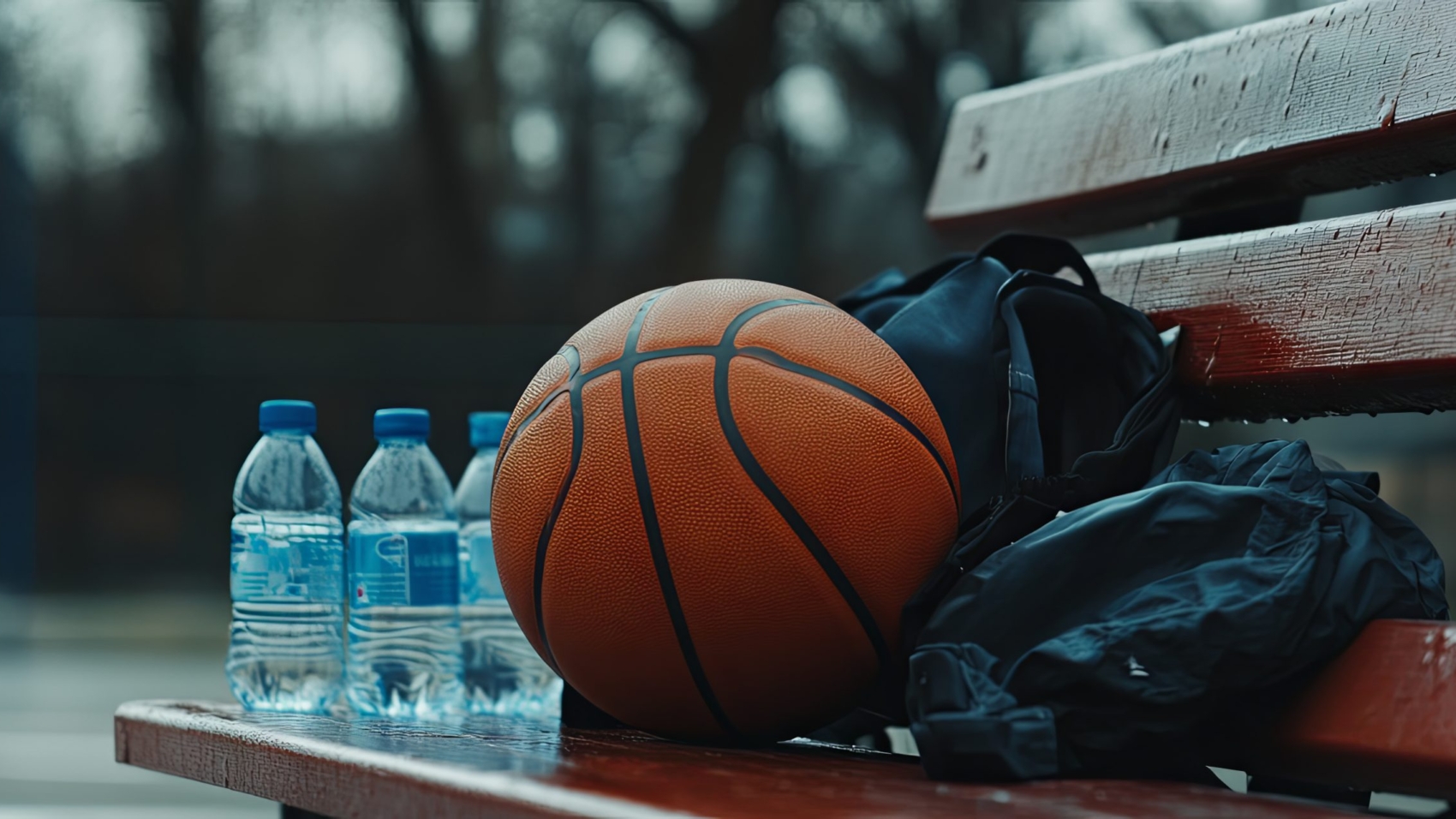
As the back-to-school season begins, youth sports return to the calendar. Soccer fields become busy again, gyms fill with activity, and practices stretch into warm afternoons. Along with new routines, team schedules, and game-day excitement comes an important responsibility for parents and coaches: making sure young athletes stay properly hydrated.
Children are not simply smaller versions of adults. Their bodies respond to heat, physical exertion, and fluid loss differently, which makes hydration an essential part of youth sports safety. Even mild dehydration can contribute to fatigue, headaches, difficulty concentrating, and reduced physical performance.
Yet hydration advice for young athletes is often limited to one simple instruction: drink more water. While water is fundamental, understanding how children's bodies manage fluids and electrolytes can help families and coaches develop better habits.
With the right knowledge and a few practical strategies, hydration can become a natural part of every practice, game, and tournament.
The Science Behind Hydration for Young Athletes
Children's bodies have several physiological differences that can influence how they respond to physical activity and hot weather. Their ability to regulate body temperature develops with age, and younger athletes may be more vulnerable to heat-related stress, particularly during intense exercise or prolonged exposure to high temperatures.
Children may also have different sweating patterns and may not always recognize when they need a break or a drink. Excitement, competition, and the desire to keep playing can make them overlook early signs of thirst.
This is why relying on thirst alone may not be enough during demanding sports activities. Parents and coaches should encourage regular drinking breaks and pay attention to changes in a child's energy, behavior, and physical condition.
Why Water and Electrolytes Both Matter
Hydration involves more than replacing water. Electrolytes are minerals that help regulate fluid balance, support nerve communication, and allow muscles to contract properly.
Some of the most important electrolytes include:
- Sodium: Helps regulate fluid balance and supports normal nerve and muscle function.
- Potassium: Plays a role in muscle contractions and communication between nerves.
- Magnesium: Supports muscle and nerve function and contributes to energy metabolism.
- Chloride: Works alongside sodium to help maintain fluid and electrolyte balance.
Small amounts of these minerals are lost through sweat. The amount varies depending on the athlete, exercise intensity, duration, and environmental conditions.
For most children participating in ordinary sports activities, water and regular meals provide adequate hydration and electrolyte replacement. During prolonged exercise, intense tournaments, or activities in hot weather, an electrolyte-containing beverage may be useful.
The goal is not to give every young athlete additional supplements or sports drinks. It is to understand when water is sufficient and when extra fluid and electrolyte replacement may be appropriate.
How Much Water Should Children Drink Before Sports?
Hydration is most effective when it begins before physical activity rather than after a child becomes thirsty or tired. A simple routine can help young athletes arrive at practice ready to participate.
General youth sports guidance emphasizes three stages: preparing before exercise, drinking regularly during activity, and replacing fluids afterward.
Before Activity
Encourage children to drink water throughout the day, including with meals and snacks. Having a drink approximately one to two hours before practice or a game can also help them begin activity adequately hydrated.
Younger children may need smaller amounts offered more frequently, while older children and teenagers may comfortably drink larger amounts. Individual needs vary according to body size, temperature, activity level, and personal sweat rate.
During Activity
Regular drinking breaks are especially important during longer practices and outdoor sports.
A practical approach is to offer opportunities to drink every 15–20 minutes, adjusting the amount to the child's age, size, comfort, and activity conditions. Coaches can include these breaks in practice plans so children do not have to interrupt play on their own.
In hot or humid weather, additional breaks and access to shade may be necessary.
After Activity
Hydration should continue after the final whistle. Encourage young athletes to drink water and enjoy a meal or snack that provides fluids, carbohydrates, protein, and essential minerals.
For children who have completed particularly demanding sessions or sweated heavily, additional fluid replacement may be needed. Weighing athletes before and after exercise is sometimes used in organized sports settings to estimate fluid loss, but it should be supervised and interpreted appropriately rather than treated as a strict target for children.
These recommendations are general starting points, not rigid measurements. The most important goal is to establish consistent hydration habits that match each child's needs.
Growth, Development, and Changing Fluid Needs
Children's hydration needs change as they grow. Body size, activity levels, metabolism, and physical development all influence how much fluid they need throughout the day.
During adolescence, rapid changes in body composition and muscle development can coincide with more demanding training schedules. Young athletes may begin participating in longer practices, multiple sports, and competitive events while still learning how to recognize their physical limits.
This makes hydration education especially valuable during periods of growth.
Parents and coaches can support developing athletes by encouraging them to:
- Drink regularly throughout the day, not only during sports.
- Bring a filled water bottle to school and practice.
- Take breaks when feeling overheated or unusually tired.
- Recognize thirst, dizziness, headaches, and other signs that something may be wrong.
- Eat regular, balanced meals to support energy and recovery.
Adequate hydration also contributes to normal cognitive function. Concentration, coordination, reaction time, and decision-making are important parts of sports participation, and dehydration can make these tasks more difficult.
Building healthy habits early can help children become more aware of their bodies and better prepared to manage their needs as training becomes more demanding.
Practical Hydration Tips for Young Athletes
Knowing why hydration matters is one thing. Helping children remember to drink consistently is another.
Young athletes are often focused on the game, their teammates, or the next activity. They may not notice thirst until they have already spent a considerable amount of time exercising.
The solution is to make hydration simple, visible, and routine.
Make Drinking Water Part of Practice
Ask athletes to bring a filled water bottle to every session. Build short drinking breaks into warm-ups, practice intervals, and cool-downs.
When hydration becomes a normal part of the schedule, children are less likely to forget about it.
Make Water More Appealing
Some children simply prefer drinks with a little flavor. Fresh fruit, citrus slices, cucumber, or mint can make plain water more interesting without adding unnecessary sugar.
Lightly flavored water can also be a practical alternative for children who struggle to drink enough throughout the day.
Use Visual Reminders
Color-coded bottles, simple hydration charts, and team reminders can help younger athletes develop awareness of their drinking habits.
Some sports programs also use designated hydration breaks or bottle-check routines to make drinking water a shared team habit.
Encourage Consistency Over Competition
Hydration should not become another performance challenge. Instead of rewarding children for drinking a specific amount, encourage regular habits and teach them to recognize their own needs.
The objective is to help young athletes understand that taking care of their bodies is part of participating in sports.
Consider Electrolytes When Appropriate
For most everyday practices, water is a suitable choice. However, longer competitions, extended sessions in hot weather, and activities involving substantial sweating may create a greater need for electrolyte replacement.
In these situations, an appropriately formulated electrolyte beverage may help replace fluids and minerals lost through sweat. Parents should choose age-appropriate products, check ingredient and serving information, and consider guidance from a pediatrician or sports dietitian.
Electrolyte drinks are not automatically necessary for every child, and they should not replace regular meals or everyday water intake.
How to Recognize Whether a Young Athlete Is Properly Hydrated
Parents and coaches do not need complicated equipment to pay attention to hydration. A combination of everyday observations can provide useful clues.
Signs of Adequate Hydration
- Urine is generally pale yellow.
- The child maintains their usual energy and alertness.
- They participate comfortably in normal activities.
- They are able to drink regularly throughout the day.
Urine color can be a helpful general indicator, although it is influenced by foods, supplements, and other factors. It should not be used as the only measure of hydration.
Possible Signs of Dehydration
- Unusual tiredness or weakness
- Headaches or dizziness
- Dry mouth or increased thirst
- Irritability or difficulty concentrating
- Darker-than-usual urine or reduced urination
These signs can have different causes, so they should be considered in context.
If a child becomes dizzy, nauseated, unusually weak, or develops a headache during exercise, they should stop participating, move to a cooler place, and be offered appropriate fluids if they are alert and able to drink.
Confusion, fainting, seizures, or signs of severe heat illness require immediate emergency medical attention. Do not attempt to manage these symptoms with an ordinary sports drink.
Make Hydration a Daily Habit
Hydration should not begin only when a child arrives at practice. Encourage drinking with breakfast, lunch, dinner, and snacks. Keep water accessible during homework, outdoor activities, and family outings.
These small routines help young athletes maintain more consistent fluid intake without making it feel like an additional responsibility.
What Should Children Drink After Practice or Games?
Recovery begins when physical activity ends. After running, jumping, training, or competing, young athletes need time to rest, replenish fluids, and provide their bodies with the nutrients required for recovery.
Water: The Everyday Essential
For most practices and games, water is the simplest and most appropriate recovery drink. It helps replace lost fluids and supports the body's normal functions.
Children should have access to water after exercise and continue drinking according to thirst and their individual needs.
Food Supports Recovery Too
A balanced snack or meal can help restore energy and provide important nutrients after physical activity.
Useful options include:
- Yogurt with fresh fruit
- A banana with nut butter
- Whole-grain toast with eggs
- A smoothie made with fruit and yogurt
- A balanced meal with vegetables, protein, and whole grains
Foods such as fruit, dairy products, vegetables, and soups can also contribute to fluid intake while providing vitamins and minerals.
When an Electrolyte Drink May Be Useful
After prolonged activity, heavy sweating, or multiple games in hot conditions, replacing electrolytes may be helpful alongside fluid intake and food.
An electrolyte beverage can provide sodium and other minerals in a convenient format. However, the best choice depends on the child's age, activity level, health, and the conditions in which they are exercising.
For children with medical conditions or specific dietary needs, parents should consult a healthcare professional before introducing electrolyte products.
Choosing Drinks for Youth Sports
There is no shortage of beverages marketed to young athletes. Bright packaging, bold flavors, and performance-related promises can make it difficult for parents to determine what children actually need.
A good starting point is to focus on the purpose of the drink rather than its marketing.
Water for Everyday Activities
Water should remain the primary hydration choice for most children. It is suitable for school days, everyday play, and many standard sports practices.
Electrolyte Beverages for More Demanding Conditions
Electrolyte-containing drinks may be useful during prolonged or intense activity, particularly when heat and heavy sweating increase fluid losses.
When choosing one, consider:
- Age suitability: Check whether the product is intended for children or adolescents.
- Electrolyte content: Look at the amounts of sodium and other minerals rather than relying on broad marketing claims.
- Sugar content: Compare labels and consider how the drink fits into the child's overall diet.
- Serving instructions: Follow the manufacturer's directions and avoid concentrating or diluting products incorrectly.
- Individual needs: Consider the child's activity level, health, and any advice from a healthcare professional.
Some electrolyte formulations use a combination of sodium and glucose to support intestinal water absorption through a natural process called sodium-glucose cotransport. This mechanism is used in oral rehydration solutions and can be useful in specific situations involving fluid loss.
However, it does not mean that every child needs a specialized hydration product or that electrolyte beverages are always more appropriate than water.
Are Electrolyte Powders Safe for Children?
Electrolyte powders can be appropriate in certain circumstances, but safety depends on the formulation, serving size, the child's age, and their individual health needs.
Not all products are designed for children. Some contain high amounts of sodium, added sugar, caffeine, or other ingredients that may be unsuitable for younger athletes.
Parents should read labels carefully and ask a pediatrician or qualified sports dietitian before making electrolyte products a regular part of a child's routine.
Children with kidney, heart, or other medical conditions may need individualized guidance about fluid and electrolyte intake.
Helping Young Athletes Build Healthy Habits
Hydration is not a small detail in youth sports. It is part of supporting physical comfort, concentration, recovery, and overall safety.
The most effective approach is not complicated: provide regular access to water, schedule drinking breaks, offer balanced meals, and pay attention to weather conditions and signs of fatigue or overheating.
Parents and coaches play an important role in making these habits part of the team environment. When children see adults treating hydration as a normal part of preparation and recovery, they are more likely to adopt the same behavior.
Ultimately, youth sports should be about more than scores, medals, and personal records. They should help children develop confidence, coordination, teamwork, and a positive relationship with physical activity.
Teaching young athletes to recognize their needs and take care of their bodies is one of the most valuable lessons they can carry beyond the playing field.